Honest General Contractor for Your Construction Undertakings
Picking a trustworthy general contractor is essential for any construction project. The right contractor brings professionalism, organization, and industry knowledge. These qualities help handle common challenges that may arise. However, identifying the best fit requires careful evaluation. Potential clients must consider key factors, from experience to communication style. Understanding these elements can make a marked difference in project outcomes. What should one stress in the search for a reliable contractor?
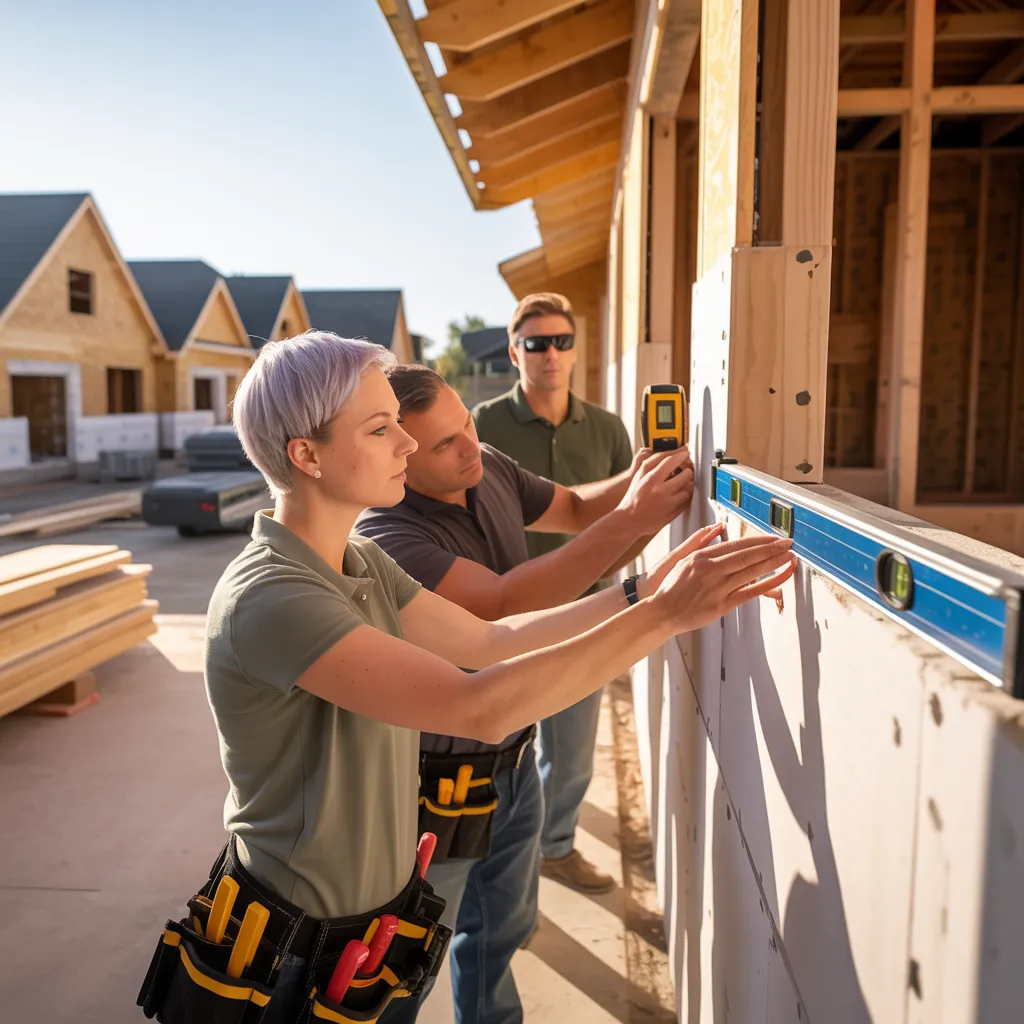
Typical Contractor Issues and Solutions to Address Them
Managing the construction landscape requires facing numerous challenges for general contractors. One primary challenge is handling project timelines, often disrupted by unforeseen delays such as inclement weather or supply chain disruptions. In addition, budget overruns can occur when initial estimates overlook rising material costs or labor shortages. Strong communication with subcontractors and clients is also essential, as misunderstandings can produce costly errors and project delays.
To resolve these challenges, general contractors can utilize robust project management tools that enhance visibility and accountability. Establishing backup strategies for potential delays and costs helps mitigate uncertainties. Regular meetings with stakeholders can foster open dialogue and ensure everyone is in agreement about expectations. Additionally, investing in solid partnerships with suppliers can lead to improved rates and availability, ultimately supporting smoother project execution. By addressing these common challenges proactively, general contractors can strengthen their reliability and performance in the construction industry.
Core Capabilities of a Accountable General Contractor
A trustworthy general contractor exhibits essential qualities that guarantee effective project execution. First and foremost, honesty is vital; a trustworthy contractor upholds openness in costs, timelines, and project scope. Robust management abilities enable effective management of assets, timelines, and subcontractors, ensuring that all aspects of the project run smoothly.
Additionally, a dependable contractor displays problem-solving abilities, promptly managing surprise complications that may surface during building projects. They should also demonstrate professional expertise, maintaining awareness of the most recent structural standards, resources, and tools. In addition, a devotion to excellent construction is important; a dependable construction professional stresses high standards in all services rendered.
In conclusion, powerful leadership skills establish a teamwork-oriented workspace involving team members, subcontractors, and clients, fostering a cohesive project atmosphere. These qualities collectively contribute to a contractor's capability to achieve successful and satisfactory building outcomes.
The Vital Importance of Strong Dialogue in Construction Undertakings
Interaction that is effective matters greatly in construction projects, as it specifies clear parameters and objectives for all relevant parties. Regular progress updates make sure that everyone remains informed and aligned throughout the project timeline. Additionally, managing issues swiftly can stop minor setbacks from escalating into major problems, ultimately encouraging a smoother workflow.
Transparent Expectations and Aims
Clear communication is essential in construction projects, as it establishes the foundation for successful teamwork among all parties involved. Creating clear parameters and goals guarantees that everyone—from contractors to clients—understands their roles and responsibilities. This clarity reduces misunderstandings, reduces the likelihood of conflicts, and promotes accountability. When expectations are clearly outlined, project timelines and budgets can be adhered to more effectively. Furthermore, it fosters a culture of transparency, allowing for proactive problem-solving. Stakeholders should participate in regular discussions to align their visions, ensuring that project objectives are met efficiently. Ultimately, clear expectations not only improve collaboration but also lead to higher quality outcomes, resulting in satisfied clients and successful projects.
Ongoing Progression Bulletins
How regularly do contractors need to provide updates on project advancement? Consistent progress updates are crucial for maintaining transparency and building trust between contractors and clients. A trustworthy contractor usually distributes updates weekly or bi-weekly, dependent on the project's size and complexity. These updates should include information on completed tasks, upcoming milestones, and any possible delays. By keeping clients informed, contractors can guarantee that expectations align and issues are detected early. Effective communication lowers misunderstandings and boosts collaboration, making it easier to adapt to any changes during the project. Ultimately, consistent updates keep clients engaged and reinforce the contractor's commitment to delivering a successful outcome, ensuring all parties stay coordinated through the construction process.
Resolving Concerns Without Delay
Communication acts as the foundation of successful construction projects, especially when addressing issues that emerge. Quick communication between the general contractor, subcontractors, and clients is vital to mitigate delays and unexpected costs. When problems happen, whether due to design issues or material insufficiencies, quick discovery and fixing are mandatory. A solid contractor stresses open communication, ensuring that all parties are informed of changes or obstacles. This forward-thinking approach cultivates collaboration and improves trust, allowing for rapid adjustments that keep the project on schedule. By maintaining direct lines of communication, stakeholders can efficiently navigate hurdles, ultimately leading to a easier construction process and higher quality outcomes. Consequently, tackling issues promptly is key for achieving project goals.
Analyzing Your Construction Expert's Professional Background and Professional Qualifications
When evaluating a general contractor's experience and credentials, one might wonder what particular certifications are most indicative of their skill and dependability. Key factors include the contractor's years in business and the categories of work completed previously. A proven track record in similar construction endeavors suggests knowledge of industry practices and standards.
Licenses and certifications are also fundamental; they validate adherence to local regulations and pledge to professional development. Additionally, scrutinizing online reviews and testimonials can present comprehension of the contractor's reputation and customer satisfaction levels.
Requesting references from past customers is advantageous, permitting prospective clients to gauge performance and reliability firsthand. Finally, trade affiliations can indicate a builder's commitment to maintaining superior standards and staying updated with evolving practices. Overall, these factors create a richer picture of a contractor's competence to meet particular construction requirements.
Breaking Down Contracts: What You Need to Know
Grasping the intricacies of a building agreement is crucial for both homeowners and builders, as a clearly outlined agreement can prevent confusion and disputes. Key components of a agreement encompass project scope, payment terms, and schedules. The project scope outlines particular duties, resources, and responsibilities, ensuring that all parties are aligned on expectations. Financial conditions should specify figures, payment timelines, and modification provisions, protecting against financial disputes. Timelines set work length and completion dates, offering a guide for finishing the work.
Moreover, agreements frequently contain clauses concerning permits, inspections, and warranties, which safeguard both parties throughout the project. Homeowners should confirm that the contract is explicit about these elements to avoid confusion later. It is advisable for both parties to review the contract thoroughly, potentially obtaining legal advice, to assure clarity and fairness. A thorough contract ultimately functions as a foundation for a successful construction project.
What to Inquire of a General Contractor: Critical Questions?
Determining the right general contractor is a vital step in securing a positive construction project. Clients should start by inquiring about the contractor's experience and if they have performed on related projects. This helps evaluate the contractor's ability to fulfill specific requirements. Inquiring about licensing and protection is essential for protecting both parties during the project.
Additionally, potential clients should seek references from earlier clients to assess the contractor reliability and workmanship. It is also significant to ask about the delivery schedule and how the contractor plans to address delays. Understanding the payment structure, like deposits and checkpoints, can provide clarity on budgetary expectations.
To conclude, discussing communication methods is paramount; clients need to know how regularly they will receive updates and who their primary point of contact will be. These questions can facilitate a sharper understanding of what to expect throughout the project.
Red Flags to Monitor When Bringing on a General Contractor
How can one spot potential issues in hiring a general contractor? Several indicators may indicate a contractor is not dependable. First, an reluctance to provide references or a collection of past work can point to a lack of experience or accountability. Contractors who ask for large upfront payments without a clear agreement may be prioritizing cash flow over project integrity. Additionally, vague or unclear contracts cause concerns about hidden costs or subpar work quality.
A builder who neglects to communicate or is hard to contact shows a absence of professional conduct. Furthermore, if they push homeowners into rushing full article decisions, it may indicate their desire to rush the process rather than guaranteeing a satisfactory outcome. Ultimately, be wary of builders who lack proper licensing or insurance, as this could subject the homeowner to major legal and financial exposure. Recognizing these red flags can help ensure a positive building project.
Commonly Posed Questions Frequently
What is the duration of a standard construction project to finish?
A common construction project can last anywhere from a few months to several years to finish, contingent on considerations such as project size, complexity, weather conditions, and supply of equipment and personnel.
Which Payment Methods Do General Contractors Usually Receive?
General contractors accommodate different payment methods, including cash, checks, credit cards, and electronic transfers. Some may also offer financing options or payment plans to satisfy clients' needs and guarantee project affordability.
Are Guarantees Offered by General Contractors for Their Work?
Many construction professionals do provide guarantees on their work, typically addressing defects in materials or workmanship for a set timeframe. This protection allows customers feel more secure about their financial commitment and the caliber of the project.
What Recourse Can I Consider if I'M Dissatisfied With the Work?
When dissatisfied with the work, the individual must first communicate concerns directly to the contractor. Log problems, request a meeting, and seek a solution. If still unresolved, consider mediation or pursuing legal options for further help.
Can I secure a tradesperson for limited-scope renovation ventures?
Absolutely, bringing on a contractor for small renovation projects is achievable. Numerous contractors specialize in smaller assignments, delivering superior craftsmanship. It's important to review credentials and feedback to discover a appropriate contractor for the exact task.